

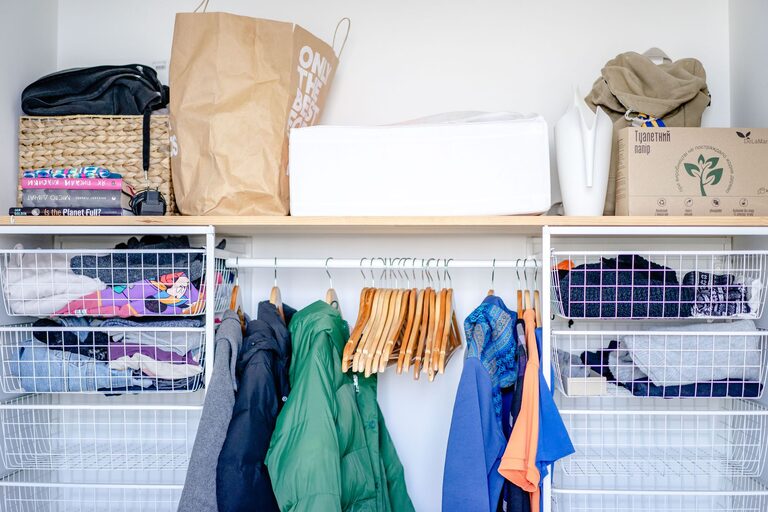
Storing seasonal clothes efficiently can transform your closet and living space. Whether you’re packing away winter sweaters or summer dresses, proper storage helps protect your garments, saves space, and keeps your wardrobe organized. In this guide, we’ll explore step-by-step tips for storing seasonal clothes in a way that makes changing seasons effortless.
Why Efficient Storage Matters
Seasonal clothing often takes up a significant amount of room. Without an organized system, you might find clothes wrinkled, damaged, or difficult to locate when the weather changes. Efficient storage helps by:
– Protecting fabrics from dust, moisture, and pests
– Maximizing your available space
– Making your seasonal transitions smoother and faster
– Prolonging the life of your clothes
Now, let’s dive into the best practices for storing seasonal clothes.
Step 1: Sort and Declutter
Before packing away clothes, it’s important to sort through your wardrobe. This simplifies storage and ensures you only keep what you need.
How to Sort Clothes Effectively
– Separate by season: Keep only the clothes you’ll wear in the current season accessible.
– Evaluate condition: Mend or wash clothes that need attention before storage.
– Donate or discard: Remove items you no longer wear or that don’t fit.
Decluttering reduces the volume of clothing you need to store and refreshes your closet.
Step 2: Clean Clothes Thoroughly
Never store clothes without washing or dry cleaning them first. Dirt, sweat, and oils can attract pests or cause stains over time.
– Follow garment care instructions for washing or dry cleaning.
– Allow clothes to dry completely to prevent mold and mildew.
– Store freshly cleaned clothes to avoid odors and damage.
Clean clothes will remain fresh and wearable when you pull them out again.
Step 3: Choose the Right Storage Containers
Picking the appropriate storage containers is key to protecting your seasonal clothing.
Options for Storage
– Plastic bins with lids: Protects clothes from moisture, dust, and pests. Look for clear bins to easily identify contents.
– Vacuum-seal bags: Saves space by removing air; great for bulky items like coats and sweaters.
– Fabric storage bags: Breathable and prevents moisture buildup; best for delicate fabrics.
– Cardboard boxes: Affordable but less protective; use only if climate is dry and bug-free.
Label Everything
Clearly label your containers to identify what’s inside without opening them. Include the type of clothing and season.
Step 4: Prepare Clothes for Storage
How you prepare clothing can impact how well it holds up.
Tips for Preparing Clothes
– Fold items neatly: Avoid wrinkles by folding or rolling clothes instead of stuffing them.
– Use acid-free tissue paper: Place between layers to prevent creases and fabric damage.
– Stuff delicate items: Use tissue paper to maintain the shape of hats or gloves.
– Avoid hanging heavy clothes: Heavy sweaters and knitwear can stretch if hung; fold them instead.
These steps help maintain the condition of your garments.
Step 5: Protect Your Clothes from Pests and Damage
Insects like moths can damage stored clothing. Taking preventive measures is essential.
Pest Prevention Tips
– Use cedar blocks or sachets with natural repellents such as lavender or eucalyptus.
– Avoid mothballs, as they contain harmful chemicals and strong odors.
– Store clothes in sealed containers to prevent pest access.
– Regularly check your stored clothes for signs of damage.
Step 6: Store in a Suitable Location
Where you store your seasonal clothes affects their preservation.
Ideal Storage Spots
– Climate-controlled areas: Closets inside your home or climate-controlled storage units work best.
– Avoid basements and attics: These spaces can be damp or experience temperature extremes, which damage fabrics.
– Keep off the floor: Use shelves or raised platforms to avoid moisture and pests.
Step 7: Rotate and Refresh Seasonal Items
To maintain your wardrobe, occasionally rotate and refresh clothes.
– At the start of the new season, inspect stored clothes for damage or odors.
– Wash or air out items before wearing them.
– Rotate storage containers so all clothes get used and refreshed regularly.
Conclusion
Efficiently storing your seasonal clothes is easy with the right approach. By sorting, cleaning, choosing proper storage, and protecting your garments, you’ll keep your wardrobe organized and your clothes in great shape. Next season, you can enjoy a smooth transition and a clutter-free closet!
Try these tips today and experience the benefits of smart seasonal clothing storage.